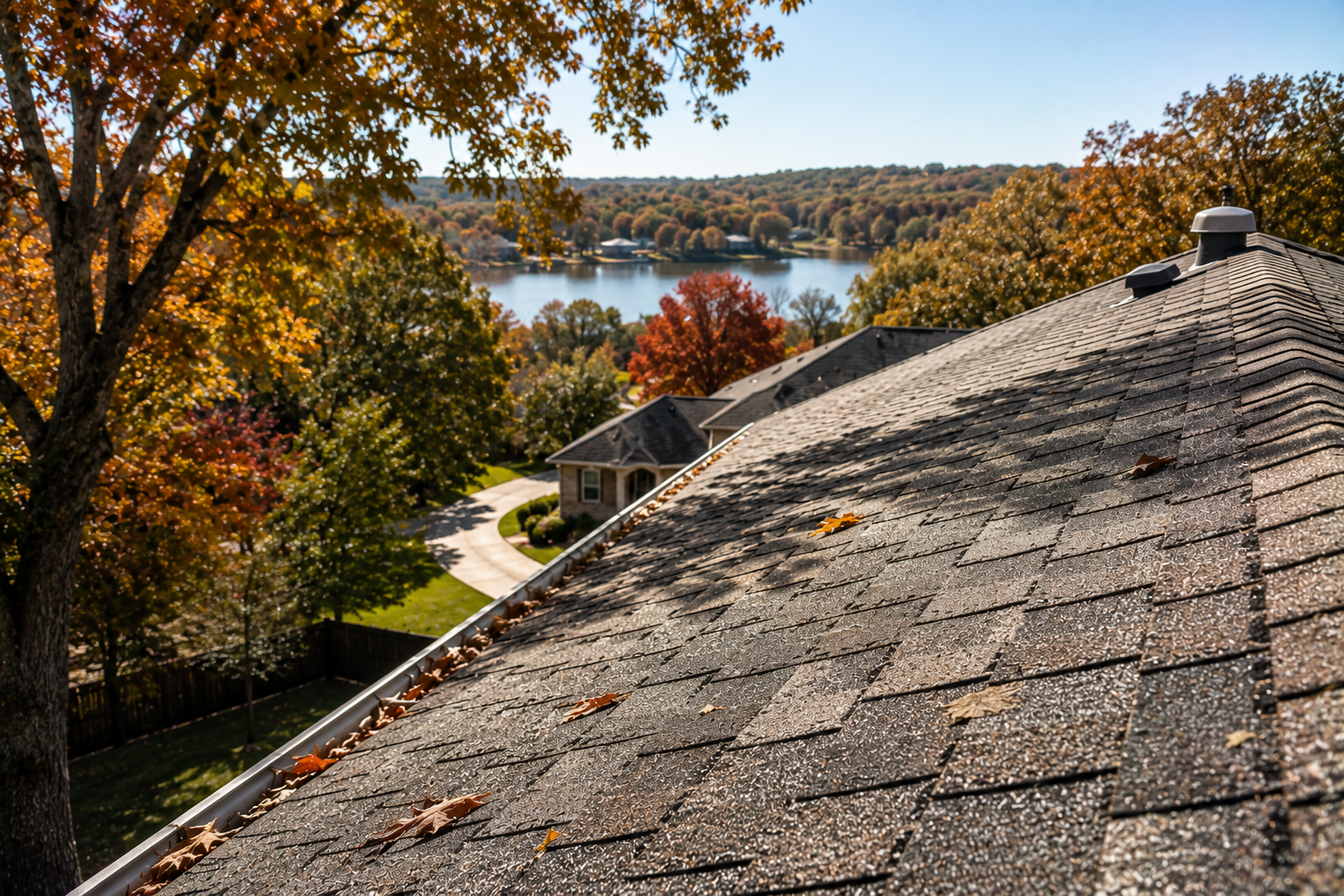
Fall Roof Inspection Checklist for Granbury, TX Homeowners
Fall is a practical time for Granbury homeowners to review roof conditions after summer heat, wind, hail, heavy rain, and debris buildup. A few safe ground-level observations can help you spot maintenance concerns before cooler weather and seasonal storms create a larger problem.
A fall checklist is not a substitute for a professional roof inspection. Homeowners should not climb onto a roof, walk steep slopes, use unsafe ladder access, or attempt repairs that could create a fall or electrical hazard. Instead, use this guide to notice visible changes and know when to call for help.
Heritage Roofing provides roofing services in Granbury and Hood County for homeowners who need an inspection, repair recommendation, storm-damage assessment, or replacement evaluation.
Why Fall Is a Good Time
Summer weather can reveal or worsen existing roofing concerns. Prolonged sun exposure, high temperatures, wind, hail, and heavy rain can affect shingles, ridge caps, flashing, roof penetrations, gutters, and drainage areas.
Fall also brings leaves, small branches, and other debris that can collect in gutters and downspouts. When water cannot move freely away from the roof and foundation, it can contribute to overflow, staining, moisture concerns, and water intrusion.
Addressing visible maintenance issues early does not guarantee that a roof will avoid every future leak or storm-related problem. It does give you a clearer record of your roof’s condition and more time to plan the appropriate next step.
Safety First
Keep all roof observations at ground level unless you are a trained professional with appropriate safety equipment. Roof surfaces can be slippery, steep, weakened by storm damage, or difficult to access safely.
Do not:
- Climb onto the roof to inspect shingles, flashing, or gutters.
- Use ladders in wet, windy, or unstable conditions.
- Touch damaged electrical equipment or approach downed power lines.
- Stand beneath a sagging ceiling or enter an attic with heavy water damage.
- Attempt to patch, nail, or tarp a roof without safe access and professional guidance.
If you notice an active leak, roof opening, tree impact, or a possible electrical hazard, focus on protecting people and property from a safe location and contact a professional.
Ground-Level Exterior Checklist
Walk around your home in daylight and look at the roofline, gutters, downspouts, exterior walls, and yard. Take clear photos if you notice something new or concerning.
Look for:
- Missing, cracked, curled, lifted, or visibly worn shingles.
- Damaged or missing ridge caps.
- Bent, loose, or missing flashing around visible roof transitions.
- Sagging rooflines or visible dips in the roof surface.
- Dented, loose, overflowing, or damaged gutters and downspouts.
- Shingle granules, roofing debris, or metal pieces in the yard or driveway.
- Fallen branches, limbs rubbing against the roof, or storm debris near the roofline.
- Visible algae, moss, or heavy debris buildup.
- Damage around chimneys, vents, skylights, or other roof penetrations.
- Water stains or deterioration on exterior walls near roof edges.
Some damage cannot be identified safely from the ground. If you notice a concern—or if your roof has recently been through hail or high wind—schedule a documented roof inspection.
Gutters and Drainage
Gutters and downspouts help move water away from the roof edge, siding, and foundation. Leaves, twigs, roof granules, and other debris can restrict water flow and cause overflow during heavy rain.
From safe accessible locations, check for:
- Leaves and debris at gutter openings.
- Overflow marks or streaking on fascia and siding.
- Downspouts that appear blocked or disconnected.
- Water draining too close to the foundation.
- Loose gutters, separated joints, or missing extensions.
- Standing water around the home after rain.
Clear debris only when you can do so safely from the ground or a secure, appropriate access point. Do not use unstable ladders or walk on the roof. If gutters are high, damaged, or difficult to access, arrange professional help.
Check Inside Your Home
Roof issues often first appear indoors. Review upper-level ceilings, attic-access areas, and rooms below roof valleys, chimneys, skylights, or other penetrations.
Watch for:
- Brown or yellow ceiling stains.
- Fresh paint bubbling, peeling, or discoloration.
- Active drips or damp drywall.
- Musty odors or visible moisture in attic areas.
- Wet insulation, if the attic can be viewed safely.
- Daylight visible around roof penetrations or attic vents.
- Water near attic access openings.
- Recurring stains that become worse after rain.
A ceiling stain does not always appear directly below the roof opening. Water can travel along framing or under roofing materials before becoming visible indoors. A professional roof repair assessment can help identify the likely source and recommend the right scope of work.
Trees, Leaves, and Debris
Trees can provide shade, but branches that rub against a roof may wear down roofing materials over time. Leaves and twigs can also accumulate in valleys, gutters, and low points where they hold moisture or slow drainage.
Review the property for:
- Branches touching or hanging directly over the roof.
- Dead, damaged, or weak limbs that could fall during a storm.
- Leaves collecting in roof valleys or gutter lines.
- Tree debris against gutters, downspouts, or roof edges.
- Signs of animal activity or nesting near roof openings.
Use a qualified tree professional for large limbs or branches near power lines. Avoid cutting branches from a ladder or roof surface.
Review After Storms
Late-summer and early-fall storms can create damage that is not obvious right away. After a significant wind, hail, or heavy-rain event, document what you can see safely and compare it with your earlier photos.
Record:
- The date and approximate time of the storm.
- Visible exterior damage, debris, fallen limbs, or damaged gutters.
- Interior stains, drips, or damaged belongings.
- Photos and video from safe ground-level locations.
- Any temporary steps taken to protect the property.
Do not climb onto the roof after a storm. A professional storm and hail damage assessment can document observed roof conditions and provide a written recommendation. Your insurance carrier—not the roofing contractor—determines coverage and claim outcomes under your policy.
When to Call a Roofer
Schedule a professional inspection promptly if you notice active water intrusion, recurring stains, missing materials, visible roof sagging, damaged flashing, roof debris, gutter overflow, storm impact, or changes around skylights and vents.
You should also schedule an inspection if:
- Your roof is approaching the end of its expected service life.
- You do not know the age or repair history of the roof.
- You have had repeated repairs in the same area.
- A recent storm produced nearby hail, damaging wind, or fallen branches.
- You are planning to sell, buy, or make significant improvements to the home.
- You want a professional assessment before small concerns become more complicated.
Heritage Roofing can help evaluate whether a focused repair, ongoing maintenance, or a larger roof replacement evaluation is the most practical next step.
Plan Your Maintenance
Keep a simple file for your home with your roof installation date, known product details, prior inspections, repair records, warranties, and photos of any storm-related concerns. This can make future repair and replacement conversations more efficient.
A professional evaluation can also identify visible concerns with ventilation, flashing, drainage, roof penetrations, and other components that affect the overall system. If heat buildup, attic moisture, or ventilation performance is a concern, Heritage Roofing can also review skylights and attic ventilation.
Get a Granbury Inspection
A fall roof review gives Granbury homeowners an opportunity to identify visible issues, improve drainage maintenance, and address concerns before the next weather event.
For a professional inspection, roof repair recommendation, storm-damage assessment, or emergency support, explore complete roofing services in Central Texas or call Heritage Roofing’s Granbury-area team at 817-573-0890.
Heritage Roofing serves Granbury, Acton, Tolar, Lipan, Glen Rose, and Hood County communities.
Tags